



















STEM is not a new term for childcare settings.
But why exactly is it beneficial for children’s learning and development, and what are some fun STEM projects for little ones? Let’s explore this together.
Why is STEM important?
When it comes down to it, STEM activities help toddlers to learn valuable skills such as problem solving while exploring the world through science, technology, engineering, and maths. Like many activities at childcare settings, STEM projects help toddlers to develop their aptitude for:
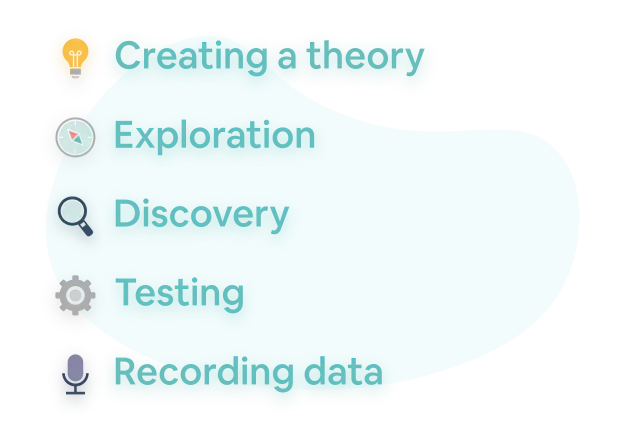
During these activities, you will find that the children are curious, stay focussed and remain communicative throughout the project. Therefore they are simultaneously developing their language skills. Not only this, but they have a blast! So it’s worthwhile giving them a go.
Let’s dive into some STEM activities for kids!
Science: Baking soda and vinegar rainbows
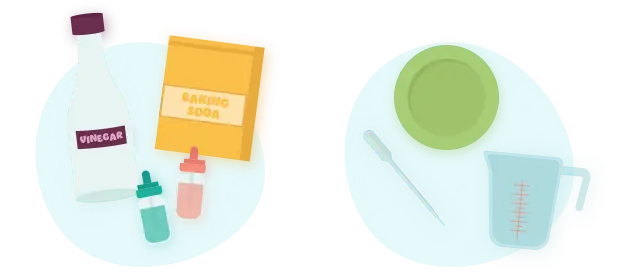
What you’ll need:
- Baking soda
- Vinegar
- White paper plate
- A measuring cup
- Pipettes (Checkout Poundland for affordable ones)
- Food colouring: Red, orange, yellow, green, blue, indigo, violet
How to do it:
Step 1: Layer the baking soda all over the paper plate about 6mm thick
Step 2: Pour vinegar into the cup, 60ml or so
Step 3: Drop dots of food colouring in the shape, and order, of the rainbow
Step 4: Show your toddlers how to squeeze the pipette to suck up the vinegar
Step 5: Let them start dropping the vinegar onto the prepared plate and watch the fun happen!
What does this teach?
While they won’t understand the detailed science behind it, they will certainly see a cause and effect. (Dropping the vinegar onto the plates made a colourful, fizzy rainbow). It helps develop their creativity and excitement for learning – definitely a good science activity for toddlers to try!
Remember to share the fun with parents by updating the child’s diary on the Ovivio Parent App!
Technology: Insulate the snowperson
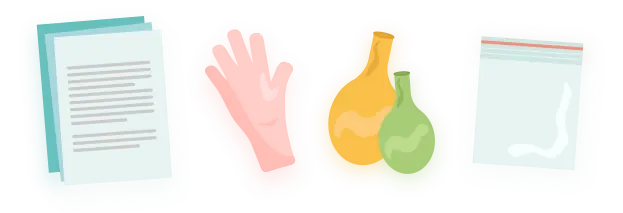
What you’ll need:
- Plastic
- Paper
- Balloons
- Cloth
- Mason jars/ clear jars
- Resealable plastic bags (sandwich bags)
- Ice cubes in the shape of snowpeople (Checkout Poundland for affordable ones)
Use different coloured materials to add an extra element of fun!
How to do it:
Step 1: (NB do this ahead of time): Fill the ice trays with water to get the frozen snowpeople ready
Step 2: Place the snowpeople ice blocks into the resealable bag (place a few inside) and zip it closed
Step 3: Place one resealable bag into each of the clear jars
Step 4: Lay out the different materials (cloth, balloons, etc.)
Step 5: Explain to the children that they have to choose a material to keep the snowpeople from melting! They must place it in the jar, around the resealable bag
Step 6: Place the jars on a sunny windowsill and wait about 30 minutes
Step 7: When the time is up, remove the materials and see which snowpeople survived!
What does this teach?
They will see that not all materials work the same when it comes to keeping things warm. They will also see how the warmth of the sun affects frozen objects, while simultaneously providing them with a basic introduction to survival skills.
Bonus!
Update a child’s learning and development progress according to the New EYFS – no matter what document(s) your setting implements.
Engineering: Make music from water
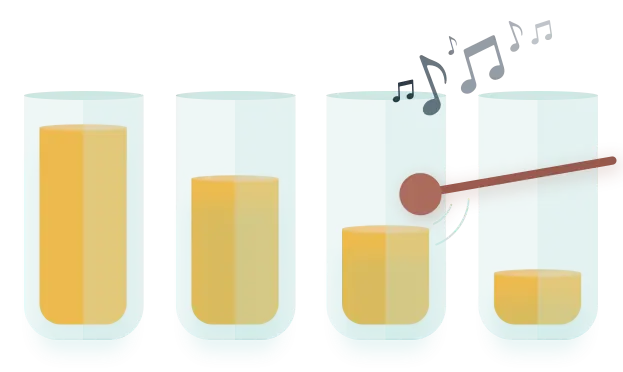
What you’ll need:
- Glasses/ glass vases
- Water
- Wooden mallet/spoon
- Food colouring to dye the water a fun colour
Tip:
Only dye the water one colour. You want the children to associate the different sounds with the different amounts of water (not colours). Why not try a fun yellow colour?
How to do it:
Step 1: Fill up the glasses with water, putting different amounts in each one
Step 2: Drop a few dots of dye into the water to make it stand out
Step 3: Hand the child the wooden instrument and show them how to gently tap each glass to make a sound
Step 4: Watch their faces light up as they realise they can make music!
What does this teach?
While explaining that the sound is caused by a vibration may be a little too complicated at this stage, this STEM project will still show the children that different amounts of water in the glasses help to produce different musical notes. This enhances their sense of wonder and instills the joy of learning in each child.
Maths: Numbers trail mix
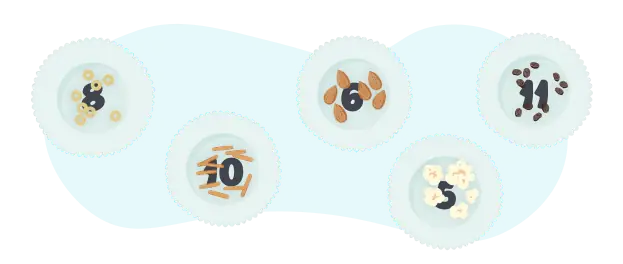
What you’ll need:
- Popcorn
- Pretzels
- Raisins
- Seeds of your choice
- Cereal of your choice
- Cupcake/muffin tray
- Wax paper
- Marker/ pen
Swap out any items to accommodate allergies
How to do it:
Step 1: Cut round holes in your wax paper to fit the circumference of each muffin/cupcake holder
Step 2: Write different numbers on these circular pieces of paper
Step 3: Place these circular, labelled pieces of paper into each muffin/cupcake holder
Step 4: Get out all your snacks, ready for the children
Step 5: Explain to the children that they have to place the correct number of snacks as the paper indicates, in each holder. They can choose which snacks go where – as long as they get the amount matching the number correct.
Step 6: Enjoy a healthy snack together after having some maths-fun!
What does this teach?
This helps children to improve their mathematics abilities by learning visually and in a fun way. They learn to recognise maths numbers, and improve their counting. Maths made yummy!
Why stop here?
We’ve even got home activities for parents to continue their child’s education journey at home.
Give these a try this STEM day and let us know how it goes! We love to hear from you.