

Under Ofsted’s 2025 framework, safeguarding in early years takes centre stage. It’s the foundation of every inspection and the clearest sign of how well a nursery protects and supports its children.
In this article, you’ll find out how Ofsted inspects safeguarding in early years, what inspectors look for, and how nurseries can prepare with confidence.
Pair this with 32 EYFS Ofsted safeguarding questions and answers for total Ofsted confidence.
Ofsted in early years
Ofsted inspects early years settings to check how well the EYFS framework is delivered and how effectively each setting keeps children safe, happy and learning well. The latest Ofsted Inspection Framework (November 2025) is one of the largest overhauls Ofsted has ever seen.
Ofsted and PVI nurseries
From April 2026, inspections for registered nurseries and childminders will move from a six-year to a four-year cycle. This change, part of the government’s Giving Every Child the Best Start in Life strategy, aims to keep inspection outcomes up to date and provide more regular feedback to parents.
The single-word judgement removal that was shared with us all the way back in 2024 now applies to nurseries as well as other educational settings. The Ofsted report cards will be the format for inspection summaries going forward from November 2025.
Settings that need improvement will continue to receive more frequent visits until their safeguarding and EYFS standards are met.
Ofsted and EYFS school settings
Early years settings that are a part of maintained and academy schools (including school-based nurseries) continue to follow the four-year cycle.
The early years provisions are inspected under the school framework, but the Early Years Toolkit will be used by inspectors during any visit. This is designed to ensure a tailored approach to the inspection, since early years is very different from Key Stage 1, the new toolkits make sure inspections reflect the unique environment.

How safeguarding is inspected
Since the announcement of the latest Ofsted framework, safeguarding in early years now has its own evaluation area (from November 2025 inspections onwards).
This means Ofsted no longer judges safeguarding as part of leadership or via overall effectiveness, every provider is given a clear outcome of ‘Met’ or ‘Not met’.
Inspectors will look for an open and positive safeguarding culture that puts children’s interests first. They want to see a confident, whole-setting approach where everyone, from practitioners to room leaders and managers, understands their safeguarding role and feels empowered to act when something doesn’t seem right.
What Ofsted looks for in safeguarding
When Ofsted inspects safeguarding in early years, they base their judgements on what statutory guidance, research and inspection evidence show to be most effective in keeping children safe.
Their focus will be on how well your setting protects all children from harm and makes sure those who need help get timely, high-quality support.
Detailed information about the areas of safeguarding that will be evaluated and graded during the inspection can be found in the Early Years inspection toolkit.
Inspectors consider how your setting:
- Builds a positive safeguarding culture – one where everyone stays alert, speaks up and puts children’s welfare first. It will be evident that fundamental British values underpin your EYFS curriculum offer.
- Protects children from harm – whether at home, in the setting or online (digital media use is a key emerging topic in EYFS).
- Is transparent and open – sharing information appropriately, seeking advice when needed and accepting professional challenge to make the right decisions.
- Maintains vigilance – recognising that safeguarding issues can arise anywhere and at any time, with a “it could happen here” mindset, adopting and encouraging reflective practice.
- Trains and empowers staff – so everyone understands the setting’s safeguarding processes and feels confident to take action when they have a concern. It is also important to track and monitor staff training (and qualifications).
- Listens actively – seeking and acting on the views of children, parents and staff, and responding promptly to concerns.
- Makes strong safeguarding arrangements – identifying children who may need early help, those at risk of harm, or those already harmed, and referring quickly to the right agencies.
- Manages safer recruitment and allegations – ensuring only suitable adults work with children and concerns about staff are handled correctly.
- Recognises additional vulnerabilities – especially for children with SEND or those who are not-yet-speaking, ensuring their needs and voices are never overlooked.
- Encourages openness and reflection – keeping safeguarding processes under regular review and fostering a culture where concerns can always be raised.
- Inspectors will also review your single central record, checking that every pre-employment and DBS check is complete and accurate.
For examples of what inspectors might ask during your inspection, we have a comprehensive list of 32 Ofsted safeguarding questions and answers for early years.
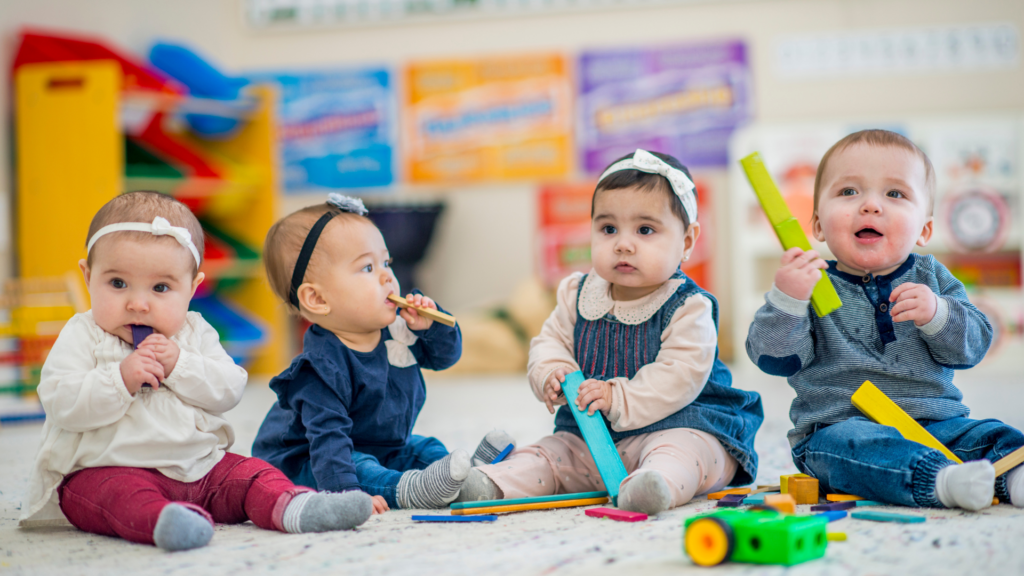
What evidence will Ofsted consider for EYFS safeguarding?
Once inspectors understand your safeguarding approach, they’ll gather evidence to see how it works in daily practice. Their focus is on whether safeguarding is active, consistent and embedded, not just written into policies. The 2025 framework makes it clear what strong safeguarding in early years looks like day to day.
EYFS Safeguarding culture
Inspectors will look at the culture within your setting, including how comfortable staff, parents and even children feel raising concerns and how confident they are that action will be taken. They’ll want to see that safeguarding policies are clear, accessible and actually reflected in daily routines.
They’ll also check that you have strong links with your local safeguarding partners. This includes sharing information appropriately, supporting any local authority assessments, and working with social workers and other professionals to plan support for children known to social care.
Early years staff knowledge and responsibilities
Inspectors will expect everyone who works with children to understand their safeguarding responsibilities. They’ll look at how well EYFS staff are trained to recognise and report all safeguarding concerns.
Nursery leaders should also have clear procedures for reporting poor practice or raising whistle-blowing concerns. Inspectors want to see that staff feel empowered to speak up and that those systems are trusted.

The management of safeguarding
Each EYFS setting must have a designated safeguarding lead (DSL) who is responsible for supporting and protecting children at risk. The responsibility of identifying children at risk is shared by each member of your nursery team, it is not one person’s responsibility.
Inspectors will evaluate how well the DSL role is carried out and whether leaders have effective systems for managing and tracking safeguarding information, including protecting children from online harm at an early age.
EYFS safer recruitment
Ofsted will review how your setting recruits, checks and monitors everyone who works with or visits children. This includes ensuring all adults (staff, volunteers, contractors and agency workers) have the correct vetting and Disclosure and Barring Service (DBS) checks.
Handling safeguarding concerns or allegations
Inspectors will gather evidence about how you handle any safeguarding concerns or allegations involving staff, volunteers, contractors or visitors.
They’ll look for:
- Clear written procedures for dealing with allegations, including “low-level” concerns.
- Accurate record-keeping showing what actions were taken and why.
- Understanding of when to involve outside agencies such as the local authority, police or the Local Authority Designated Officer (LADO).
- Evidence that referrals to relevant bodies, including the DBS, are made promptly and correctly when needed.

What this means for your nursery setting
The 2025 framework makes it clear what good safeguarding looks like in real life.
Inspectors want to see that your EYFS safeguarding culture, training and routines all work together to keep every child safe, supported and seen.
Settings that meet Ofsted’s safeguarding standards are those where everyone understands their role. Leaders create an open culture where staff, parents and children know who to go to for help. Practitioners recognise early signs of harm or vulnerability (including in babies and children with SEND) and act quickly to protect them. Strong multi-agency links, confident reporting, and consistent record-keeping all help secure a ‘Met’ outcome.
A safeguarding judgement of ‘Not met’ is made when these systems break down. Policies aren’t followed, concerns aren’t recorded or acted on, or leaders aren’t open to challenge and reflection. Poor safer recruitment, missing DBS checks or weak supervision can all raise red flags during inspection.
Now’s the time to make sure your safeguarding practice is joined up and easy to show. Review your policies, refresh training and make sure your single central record is fully up to date. Keep your records accurate and accessible. Ovivio’s digital Child Profiles, staff training logs and safer recruitment tools can make that process simple and transparent.
Regular team discussions and scenario-based training help staff feel confident to speak up and act consistently. Using Ovivio’s parent communication tools can also help strengthen your safeguarding culture, giving parents a clear way to share concerns or updates and helping you document those conversations safely.
When everything, from daily routines to digital records, aligns around child safety, you’re not just preparing for inspection. You’re building the kind of safeguarding culture that keeps children protected every day.