


If you’re a nursery manager in England with an Ofsted inspection on the horizon, this checklist is for you.
This summary blog is built solely on government guidance, including the EYFS statutory framework, in force from September 2025, and Ofsted’s early years inspection guidance, in use from November 2025.
That means you can use this blog to confidently prepare for 2026 inspections without relying on outdated lists.
What inspectors can ask for and why
During an inspection, inspectors can ask to see documents and records that help them check you’re meeting statutory requirements. In plain terms, they will want to understand what you do, how you do it, and how you know it’s working.
You do not need to create new paperwork just for inspection, all Ofsted toolkits and guidance are clear about this. Even so, there’s often confusion about which documents are statutory versus those that are good practice.
To clarify the definition of both, statutory documents and records are the ones you must have in place and keep updated.
Good practice documents are not always required as a standalone item, but they can add value by clearly showing the impact of your chosen systems and by keeping the inspection day running smoothly.
Documents you’ll need for an early years Ofsted inspection in 2026
This is the practical list of documents and records you’ll want ready for inspection. They do not need to sit in one perfect folder. You can keep them across paper files, secure digital folders, or inside nursery management software.
The important bit is that you can get to them quickly and show they’re relevant to your setting and are up to date.
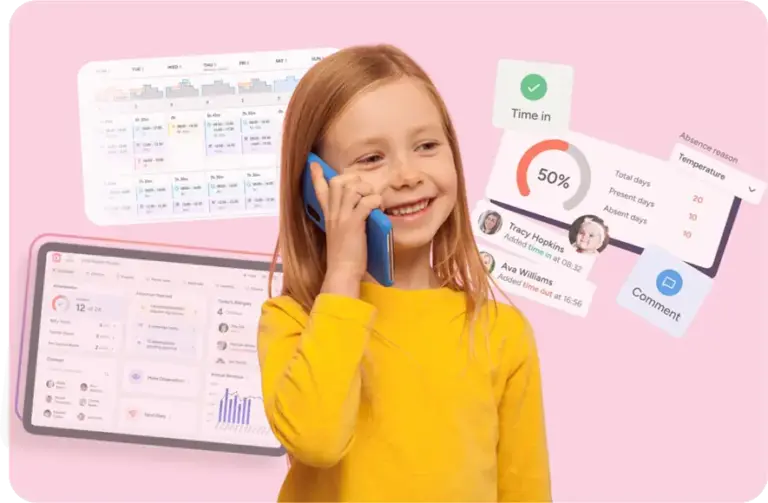
If you use early years management software like Ovivio (formerly Blossom), you can keep key records in one place, avoiding the need to sift through files on inspection day.
To make it clear which documents you’ll need for your early years Ofsted inspection, we’ve grouped them into categories:
- Safeguarding
- Safer recruitment
- Health and safety
- Nursery complaints
- Required child information

Safeguarding documents for a nursery Ofsted inspection
In the 2026 Ofsted inspection approach, safeguarding now has its own evaluation category. As with any inspection, safeguarding is the key thread running through every inspection activity.
Ofsted inspects safeguarding in nurseries by monitoring compliance, preparation, application and staff awareness in the everyday routines, decisions, and culture of your setting.
These are the safeguarding documents your inspector will need easy access to during the visit. Keep the most up-to-date versions where staff and parents would usually find them, including your website if you share key policies there.
- Safeguarding policy and procedures, including how concerns are handled and how safeguarding training is put into practice
- Child protection procedures, including how concerns are recorded and escalated, and how referrals and follow-up work
- Whistleblowing procedure for staff, including how to report concerns and what happens after a concern is raised
- Records of safeguarding concerns, actions taken, and outcomes
- Record of allegations of serious harm or abuse, including evidence that you understand the duty to notify the relevant bodies within the required timescales
- Attendance policy shared with parents and carers, including expectations for reporting absence and what to do if a child is absent without explanation or for a prolonged period
- Safeguarding training record for all staff, including new starters and refreshers
Nursery staff recruitment documents
Inspectors will usually look at staff suitability early on. The Ofsted operating guide is clear that they will prioritise sampling recruitment checks and reviewing DBS records early in the visit.
Have these documents and records easily accessible:
- Evidence that your nursery staff are suitable for their role, including the right qualifications, training, and required checks to allow them to meet their role requirements (this may be accessed via a Digital Staff Profile)
- DBS compliance and barred list check, plus identity and vetting checks, and a record of what was checked, by whom and when
- Evidence of recruitment and suitability checks for each staff member
- Induction records for new staff (and apprentices), including key procedures
- Paediatric first aid certificates and how you ensure cover when children are present, including visits off-site

Health and Safety and child welfare records
This is the section that often turns into practical questions from inspectors.
Prepare your practitioners for the possibility that an inspector may ask how they know children are safe, well cared for, and supported day to day.
Risk assessments and health and safety
- Risk assessments and evidence that you’re managing risks in practice. They don’t all have to be ‘written’ documents, but your team should be able to demonstrate how risks are identified, checked, and controlled.
- Emergency evacuation procedure and drill records
Accidents and medication records
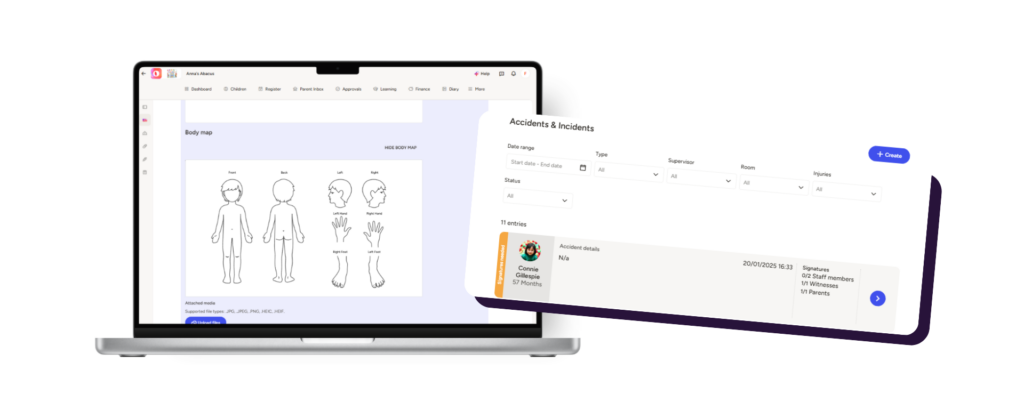
- Accident or injury records, a ‘written’ record, shared with parents as soon as practically possible
- Medicine administration records, a written record each time medicine is given, and evidence that parents are informed
- Physical intervention records, if a physical restraint has been essential, there should be documentation of what happened, who was involved and any resulting injuries
If you already use nursery management software, it’s helpful if your accident, incident, and medication records live alongside the Child’s Profile.
Ovivio supports logging accidents and incidents with details such as injury location, timestamps, and first-aid information, and it also supports collecting signatures. Medication Forms are logged in one place, including medicine details, administration time and dose, and signatures for consent and receipt.
Closing the feedback loop with our well-loved Parent App, designed to keep families informed with updates and shared information in one consistent place.
Nursery complaints
Inspectors can ask to see your ‘written’ complaints record, including the outcome. This may not be an area every nursery experiences during their visit, but it is an expectation that you have the documents accessible and up to date.
- Written procedure for dealing with concerns and complaints from parents
- A written record of complaints received, including the outcome, actions taken and any follow-up
Child records and information you must hold
Inspectors use case sampling to gather an accurate understanding of what it’s like to be a child in your nursery.
During the Ofsted planning call, the inspector will ask you to help identify children in key groups, including children who are disadvantaged, have SEND, are known or were previously known to children’s social care, or face other barriers to learning and wellbeing.
The EYFS is clear that providers must record key information for each child:
- Full name and date of birth
- Name and address of every parent and or carer who is known to the provider
- Information about any other person who has parental responsibility for the child
- Which parent and or carer the child normally lives with
- Emergency contact details for parents and or carers (ideally, at least two different contact numbers)
- SEND arrangements, where relevant, including who leads and how support is planned and reviewed
- A daily record of the names of the children being cared for on the premises, their hours of attendance and the names of each child’s key person
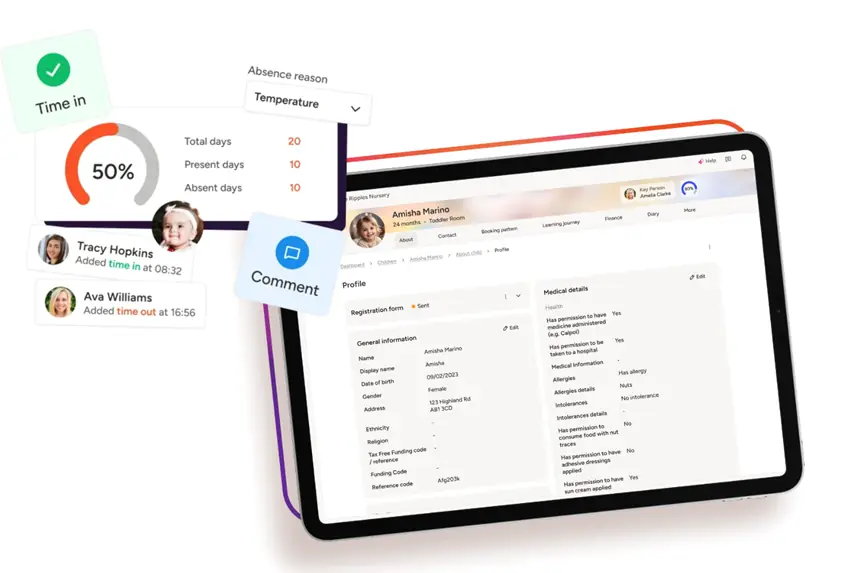
The Ovivio Child Profile includes emergency contact details, allergy information, staff communication notes and other important information.
Access to an online nursery register enables quick, easy termly attendance reports with exact entrance and exit times for each child. Absences are highlighted, helping practitioners to track patterns and log any safeguarding concerns.
‘Nice to have’ documents for your nursery inspection
There are a few extra documents you might want to have at your fingertips, mainly to demonstrate the impact of your management choices on children’s ability to achieve, thrive and belong in your setting.
Making it easy to show your thinking, your follow-through, and what has changed positively for the children because of the choices you have made.
One of the myths around Ofsted inspections is the need to produce beautifully presented documents and data for the inspectors.
Unless these documents demonstrate how you know your choices have been impactful, and you regularly use these in everyday practice and reviews, then don’t create more work for yourself.
Here are some helpful, non-exhaustive ideas for extra documents:
- A simple one-page document map showing where everything lives, especially if it is in Ovivio, a shared drive, or paper folders
- A training and CPD plan with dates and refreshers for safeguarding, paediatric first aid training, Prevent duty where used locally, SEND training, and food hygiene where relevant
- A clear SEND overview, who your SENCo is, how referrals work, and evidence of support plans where needed
- A short EYPP spend rationale and how you know it is working
- Your ‘how we know’ evidence for key systems, safeguarding culture, behaviour and routines, and EYFS curriculum intent

With the inspection spotlight focusing on nursery leadership’s decisions and their impact on children’s development and wellbeing, it helps to have clear records that show what you do, why you do it, and how you know it’s working.
When preparing your documents for an Ofsted visit, keep it simple. Stick to what you genuinely use in daily practice and strategy reviews, and you’ll be in a strong position to give an accurate account of what it’s like ‘on the ground’ at your nursery.
If you’d like support getting your records in one place, get in touch with the Ovivio team (formerly known as Blossom) to chat about moving your nursery management software over to the Ovivio platform, or to book a free demo of all of our features.