


















The DfE published new safer sleep guidance for early years settings, produced in collaboration with the Lullaby Trust. Published on the 20th of April 2026, it sets out requirements for how babies and young children must be cared for during sleep in registered settings.
There are many sources involved in the updated sleep requirements, and the updates are presented in a different format from how new requirements are often shared.
So, understandably, nursery managers are getting a little confused about who has said what and what they must follow to comply with safer sleeping arrangements requirements.
In this blog, we explain what the new safer sleeping guidance says, where the information comes from and what it means for best practice.
Update on coracles: we have seen online from at least one retailer that they’ve been informed coracles/pods for sleeping are not compliant with the latest DfE guidance for children under 12 months, and thus use something else for children under 1 year old. If you are in any doubt, compare BSE certifications that the DfE have laid out as compliant versus the certifications given to the products you’re using, or contact the retailer.
At a glance
- New safer sleep guidance published by the DfE in collaboration with the Lullaby Trust, on the 20th of April 2026
- New wording will be formally written into the EYFS statutory framework in September 2026, subject to parliamentary process
- Compliance is expected now – providers must already be meeting these requirements
- Affects all early years providers in England registered on the Early Years Register
- New safer sleep guidance source
What does the EYFS statutory framework say about safer sleeping?
Here’s a breakdown of which information has come from what source:
The EYFS statutory framework
Currently covers sleeping arrangements in a single paragraph, 3.84. It’s due for an update in September 2026 to reflect the requirements that have already been published.
Help for Early Years Providers
Is a DfE-run resource for nursery managers. It published the updated safer sleeping guidance and is the main source to use until the EYFS framework is formally updated.
Foundation Years
Is a DfE-funded information source that also covers safer sleeping compliance. It’s a trusted source – just check publishing dates to make sure you’re reading the latest version.
NHS guidance
Is what the current EYFS framework references. As the NHS guidance now mirrors the new requirements, following it means settings are already aligned.
The Lullaby Trust
Is an independent charity that partnered with the DfE to shape the updated requirements. Their website has detailed information for both providers and parents, usually with clear publish dates on all guidance.
The new safer sleeping requirements for nurseries
Now we know where the information has come from and where to look for accurate guidance on scenario-specific questions, let’s look at the changes to sleeping arrangements.
Sleep position
Children under the age of 2 must be placed on their back in their own separate sleep space, on a firm, flat surface.
For babies aged 12 months or under, the sleeping space must be a cot. The term ‘cot’ covers cots, carrycots, Moses baskets and travel cots (and all must meet the relevant British Safety Standards).
Sleep space, bedding and head covering
The child’s sleep space must contain only a firm, flat, waterproof mattress and lightweight bedding tucked in firmly below the child’s shoulders. A well-fitted baby sleep bag is an alternative to bedding, provided you follow the manufacturer’s recommendations.
Where blankets are used, the baby must be placed feet-to-foot at the bottom of the cot with blankets tucked in below the shoulder.
Children’s heads must not be covered while sleeping. Babies aged 12 months and under are at higher risk of SIDS if their heads are covered, and items in the sleep space, such as cot bumpers, can also increase the risk of accidents.
Cots must not contain toys, pillows, loose bedding, bumpers, wedges or straps.
Comforters
Sleep comforters may only be used for babies and children over 12 months old.
Room temperature
Children must not get too hot or too cold during sleep. The recommended room temperature for babies aged 12 months and under is 16-20°C.
To check whether a baby is too hot or cold, the DfE recommends feeling their chest or the back of their neck. Hands and feet will usually be cooler than the rest of the body, which is normal. If the skin feels clammy or sweaty, remove a layer of clothing or bedding.
During the warmer months, it’s important that your practitioners are aware of how to spot the signs of heatstroke and how to ensure children remain safe in the sunshine.
Supervision during sleep
Babies under six months must always have an adult with them in the same room for every sleep. All children must be checked frequently while sleeping and must always be within sight and hearing of staff.
A baby monitor can be used for children over six months, and it must allow children to be seen and heard at all times.
Travelling and car seats
Babies aged 12 months and under who fall asleep while travelling must be transferred to their cot upon returning to the setting. If any child falls asleep in a car seat or pram, they must be transferred to their separate sleep space as soon as they return.
For children aged over 12 months who fall asleep while travelling, settings should, where possible, transition them to their own sleep space on return. A lie-flat pram or pushchair must not be used as a child’s main separate sleep space.
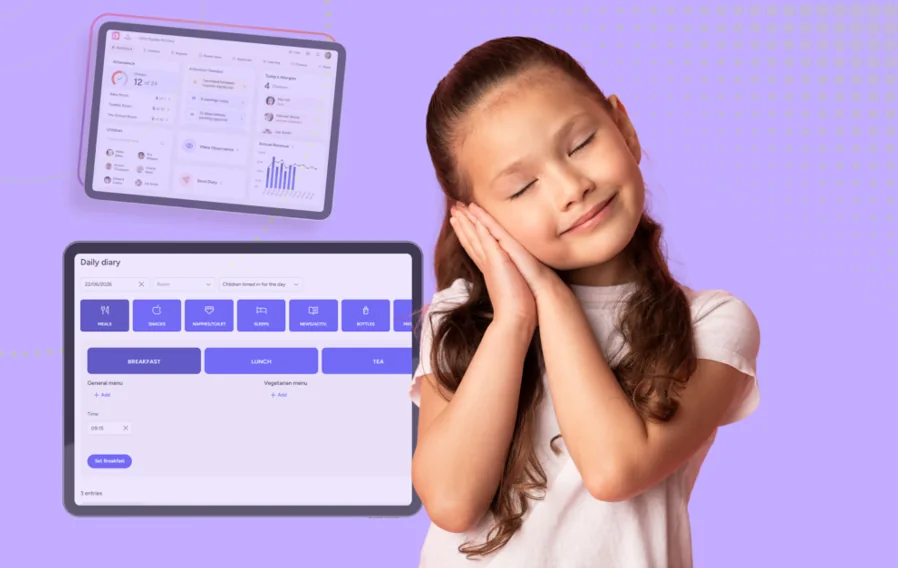
FAQs about early years safer sleeping for 2026
Here are some FAQs about the changes to sleeping arrangements in early years. When the EYFS statutory framework is updated, we’d expect to see a more detailed list of guidance.
Do we have to comply before September 2026?
Yes. The DfE has confirmed that providers must already be compliant. September 2026 is when the new wording will be formally written into the EYFS framework, not a start date for changing practice.
Will Ofsted inspect against these requirements before September?
Until the new EYFS wording comes into effect, Ofsted will inspect against the current frameworks, which link to NHS safer sleep guidance. Providers should already be acting in accordance with that guidance. The DfE is working with Ofsted to prepare inspectors for the updated wording.
What counts as a cot?
Cots, carrycots, Moses baskets and travel cots all count as cots under this guidance.
Can we use a baby monitor instead of having an adult in the room?
Only for children over six months. Babies under six months must always have an adult with them in the same room for every sleep. Physical checks are still required for all children, regardless of whether a monitor is in use, and any monitor must allow children to be seen and heard at all times.
What about premature babies?
For babies born before 37 weeks or who weighed less than 2.5kg at birth, safer sleep guidance should be followed for a year from their due date, not from the date they were born.
What should we do if a baby rolls over in their sleep?
The DfE says practitioners should continue to place babies on their backs to start every sleep. Once a baby can move from their back to their front and back again on their own, they can find their own sleeping position.
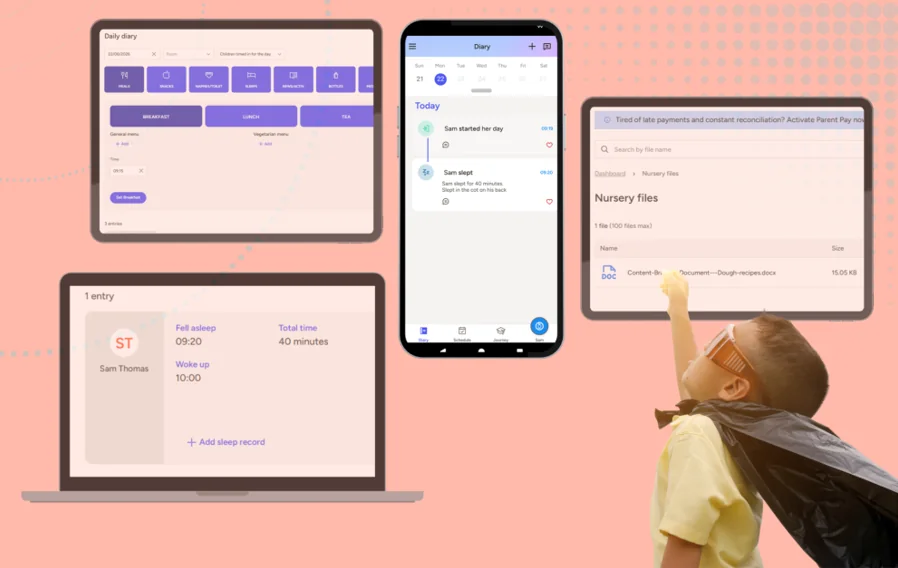
How Ovivio supports sleep recording
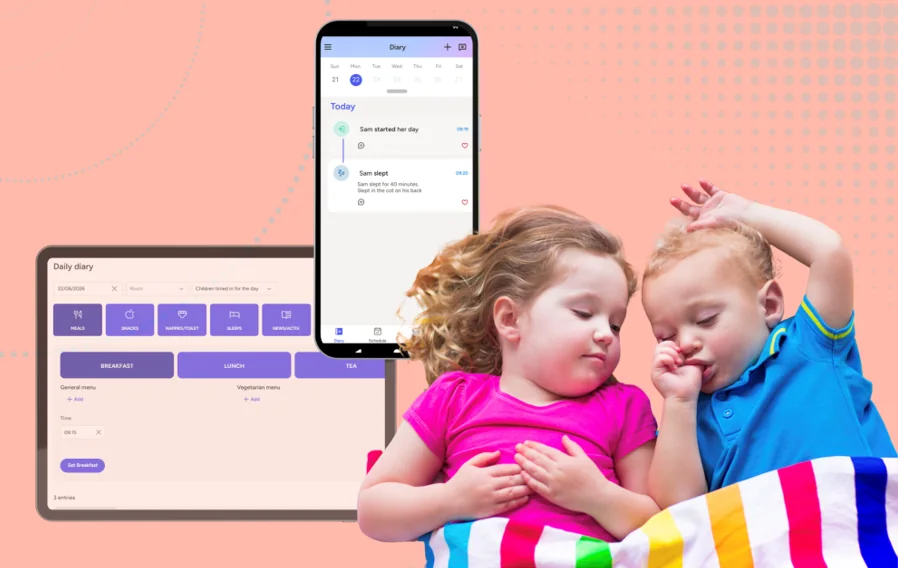
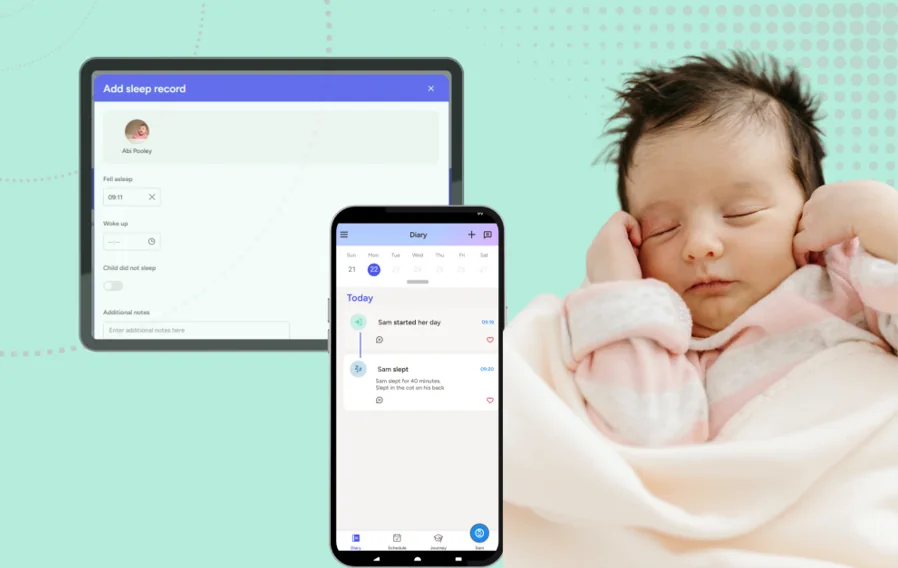
Accurate sleep records support your wider safeguarding provision, and Ovivio’s Daily Diary makes logging them quick and straightforward for practitioners.
Staff record each sleep through the dedicated Sleeps tab in the child’s Daily Diary, capturing the time the child fell asleep, the time they woke up, and any additional notes including sleep position. The notes field holds up to 2,000 characters, giving practitioners plenty of space to record what they need.
Parents receive a timestamped entry in the Parent App showing the duration and any details logged by staff, giving families a clear picture of their child’s day. And, managers can store the nursery’s sleep policy in the Nursery Files section, keeping it accessible to all staff in one place.
Helping you to stay compliant
Staying on top of guidance updates is just one part of running a nursery well. Ovivio’s nursery management software helps managers make day-to-day tasks easier, from compliance tracking and daily care records to the kind of operational oversight that keeps your setting running smoothly.
Get in touch with the Ovivio team today for a 15-minute demo of the features nursery managers love.
Book an Ovivio demo: