









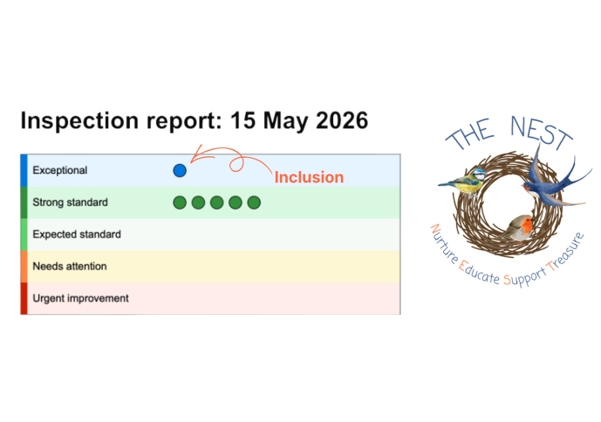
The addition of the inclusion inspection area was one of the biggest changes brought by the Ofsted framework overhaul in 2025. Nurseries are still navigating what exceptional inclusive practice looks like and how to apply the principles that the strongest settings use in their own settings.
In this blog, we give a window into what the daily rhythm of an inclusive childcare setting looks like, with examples from one of the few PVI provisions in England to have achieved the coveted ‘Exceptional’ Ofsted judgement for inclusion.
Let’s dig into expert insight from Ovivio users, Claire and James Nichols, who own and run The Pheasant Nest.
A little background on The Pheasant Nest
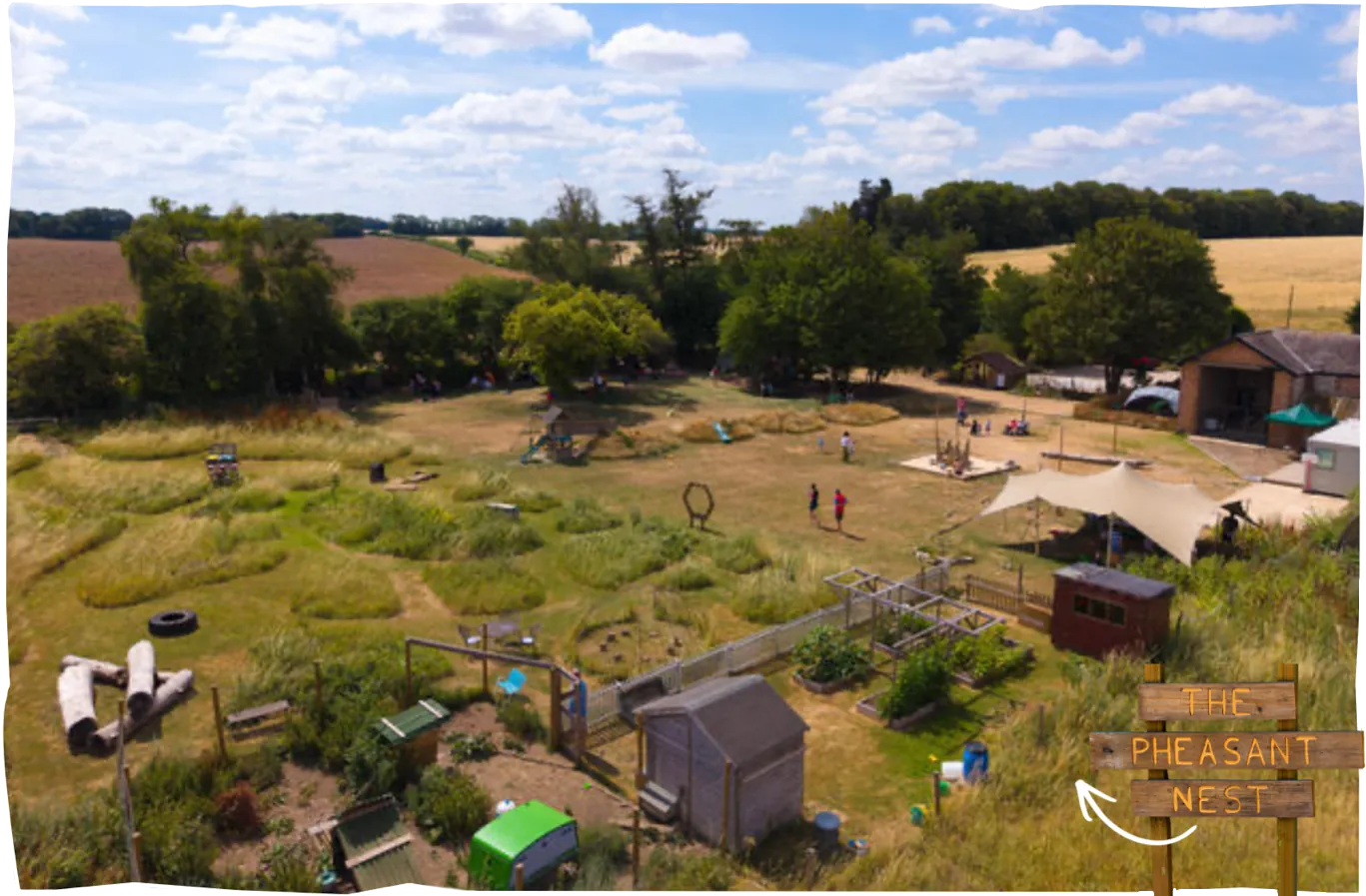
 The Nest (Nurture, Educate, Support and Treasure) is a part of Claire and James Nichols’ expanding childcare provision in Hampshire. Set on a 1.5-acre site, alongside their flagship setting The Family Nest, it’s the setting most of us dream of, with an amazing outdoor provision designed intentionally with learning and development in mind.
Claire has extensive experience in early years primary teaching, and James a successful career in corporate hospitality and wellbeing. They both share a deep passion and an infectious motivation to help children be themselves. Instilling the confidence, resilience and critical self-thinking the children need to make a positive difference in our changing world.
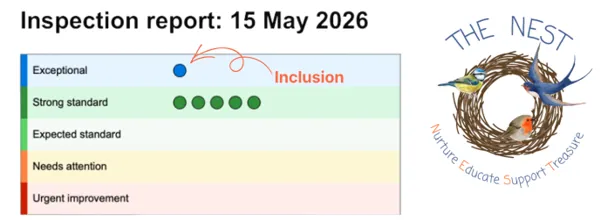
Their May 2026 Ofsted inspection highlighted the impact of their approach on the children, families, and their wider community. Securing exceptional for inclusion and strong secure across the board for the rest.
In an industry that’s feeling the pressure across almost every part of its operations, Claire and James are thriving, and it’s all down to the unshakable ethos, rhythm of learning, and authentic culture they’ve built.
How they achieved exceptional for inclusion
To share how Claire and James achieved exceptional for inclusion, we’re looking at the whole picture, because true inclusion underpins all moving parts of an excellent childcare provision.
There’s no formula
We can’t give you a formula or a checklist to make your nursery inclusive. But we can learn from the non-negotiables that The Nest does so well.
We’ve grouped the processes, rhythms and non-negotiables that Claire and James do so well into 6 broad areas of strength.
Insights into what exceptional EYFS inclusion looks like
These 6 key areas of strength are designed to make the magic of The Pheasant Nest applicable to your own setting. Use each of these areas as a starting point to help identify where you can make small but mighty improvements to your inclusive practice.
Jump ahead to:
- The safety systems
- The culture
- Recruitment and staffing
- The power of relationships
- The rhythm of learning
- Child development
1. The safety systems
Claire is clear that safety comes first, with safeguarding and health and safety considered above everything else.
She uses systems like the Ovivio Child Profile to store all valuable information about the children in one place. The aim of using systems is to free up her team’s time so they can spend it where it matters, with the children.
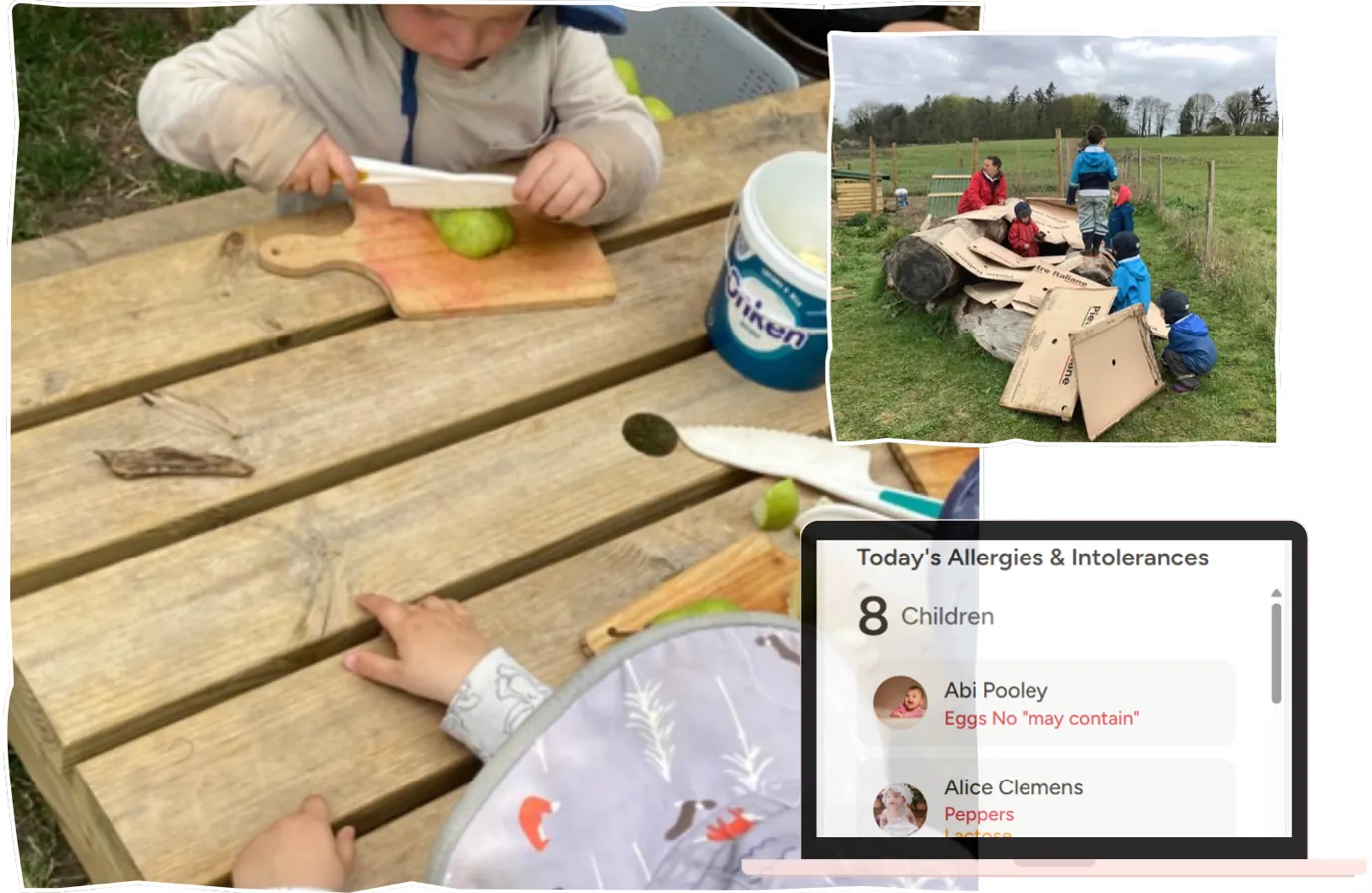
The small but essential medical features, like Ovivio’s allergy overview, help Claire and her cooking team in ‘The Trough’ keep every child safe.
As Ofsted highlighted, this is a nursery where children are truly at the heart of everything they do. Which means any element of tracking, recording and monitoring is done because it adds significant value to the children’s experience and reduces staff admin time.
2. The culture
The culture at The Pheasant Nest rivals that of the best workplaces, well beyond childcare and education.
Claire insists their team is the strongest part of the whole setting:
‘Our people are what make us so special’.
Equal footing
There’s no hierarchy of roles in The Pheasant Nest. Every team member is encouraged to share their views and opinions, in a culture where continual growth and development are non-negotiable.
3. Recruitment and staffing
Recruitment is driven by hunting for alignment of attitudes, values, and attributes over qualifications. It’s magic that can’t be taught, and it’s what Claire and James look for in every interview, which is why their team is so experienced and diverse.
The ever-growing team, whom they call nurturers rather than practitioners, is intergenerational. This includes experienced nurturers with over 3 decades of experience in childcare, 6 qualified teachers, several ‘unqualified’ nurturers (by qualification-technicality only), and 7 apprentices learning the ropes, all with the whole team’s support.
Overstaffing
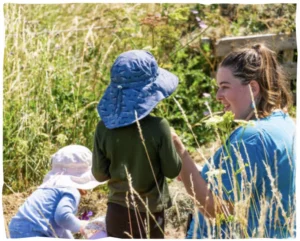 One of the biggest differences between The Nest and most childcare provisions is how they manage EYFS ratios.
Claire and James decide to overstaff the team by 2.5 nurturers each day (two each day and an extra nurturer to prepare the home cooked lunch each morning).
This flexibility is essential to the outdoor, hands-on, child-led learning the setting is built on, and it’s what makes their next non-negotiable possible: slowing everything down.
Slowing everything down
Their inspector noticed it too. Slowing the learning rhythm down gives lifelong skills, the kind a packed timetable usually squeezes out, the air time they deserve.
Because The Nest uses a family grouping approach, a mixture of ages, siblings and developmental stages work together every day.
Mealtimes are a good example of when slowing down gives life skills a chance to develop. The cowbell rings out across the fields, and the children know exactly what it means: food time, together.
Children as young as two confidently clear their own plates, and if they need a little help with anything, the other children are more than happy to help.
‘At mealtimes children can help themselves to as much, or as little food, as they would like, which ensures no one goes hungry. Children expertly pour drinks for their friends, which further helps to develop their excellent physical skills.’
Ofsted May 2026
Professional development
Claire regularly creates short CPD snippets for her team members, based on the latest research and best practice, covering ongoing and emerging areas such as potty training, speech and language, and self-advocacy.
4. The power of relationships
It’s clear to see the importance Claire and James place on relationships, and it’s threaded through every element of their setting.
With the children
In contrast to most childcare providers, they run their key worker system differently. Because relationships are the vehicle for progress, every team member knows the important details about each child, from pet names and weekend plans to their targets and progress.
This is backed up by daily planned discussions where every child gets focused attention.
With each other
How staff treat each other starts right at the top, with Claire and James making sure every team member, child and family feels valued and part of the Nest community.
The CPD Claire produces for her team is also shared with families: ‘They should know just as much as we do about their child’s development.’
With the families
The way they settle in new starters is something that’ll interest all nursery managers.
It starts with a detailed phone call with Claire, where parents share everything important about their child.
Parents are invited into the setting for an hour a week over two months, giving them full transparency on how the day runs and securing real buy-in.
Claire’s philosophy is simple: your setting should align with the same messages they hear at home, so a child’s time at The Nest feels like an extension of home.
‘We make great use of the Home Observations feature on Ovivio. Parents can easily add in pictures and videos of what they’ve got up to during a holiday or over the weekend. It’s another conversation point and helps to build strong partnerships.’
Claire Nichols, Co-Founder of The Pheasant Nest
With the wider community
Their families come from near and far to attend the nursery, which means they have around 10 feeder primary schools.
The whole team actively spreads good practice and works in conjunction with the feeder primary schools to share CPD training and give them insight into how and why they operate as they do.
Claire is keen to share advice and insights about how they run The Pheasant Nest and encourages those interested in learning more to get in touch. She’ll make every effort to reply in between collecting eggs and running perimeter walks with the children.
5. The rhythm of learning
As The Pheasant Nest is inclusive by design, several key concepts shape its rhythm of learning: the environment, pedagogy, curriculum, routines, and achievement.
The environment
Not every setting can design its indoor and outdoor space exactly as they’d like, or even has much outdoor space to work with. You’ll be working within your own logistics.
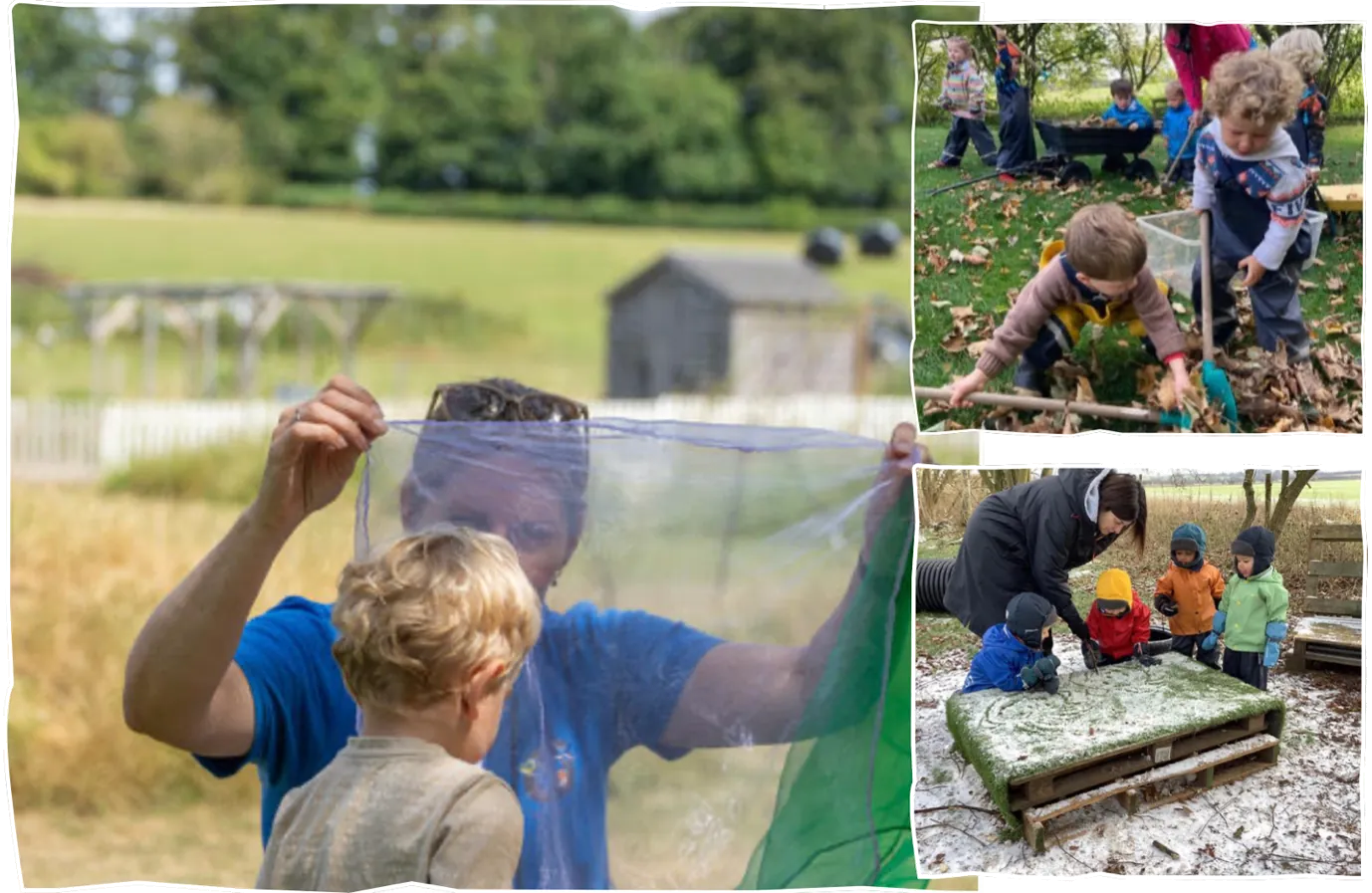
Outdoor space is centre stage at The Nest, driving the famous perimeter walks each morning to ‘check for escaped animals, holes in the fencing, and seasonal changes in the landscape’. Of course, the animals are always safely contained, and the fencing is sound, but the children take their responsibility seriously all the same.
SEND Universal offer
Claire explains that they only have a few children who are currently on the recognised SEND pathway using the graduated approach, and their needs are excellently supported.
On the surface, that might look like a below-average number of children with additional needs. In reality, it’s because their universal offer is personalised enough that every child’s needs are met as standard.
‘All children, including those facing barriers to their learning making incredible progress from their starting points and thrive in this inclusive nurturing nursery.’
Ofsted May 2026
The pedagogy
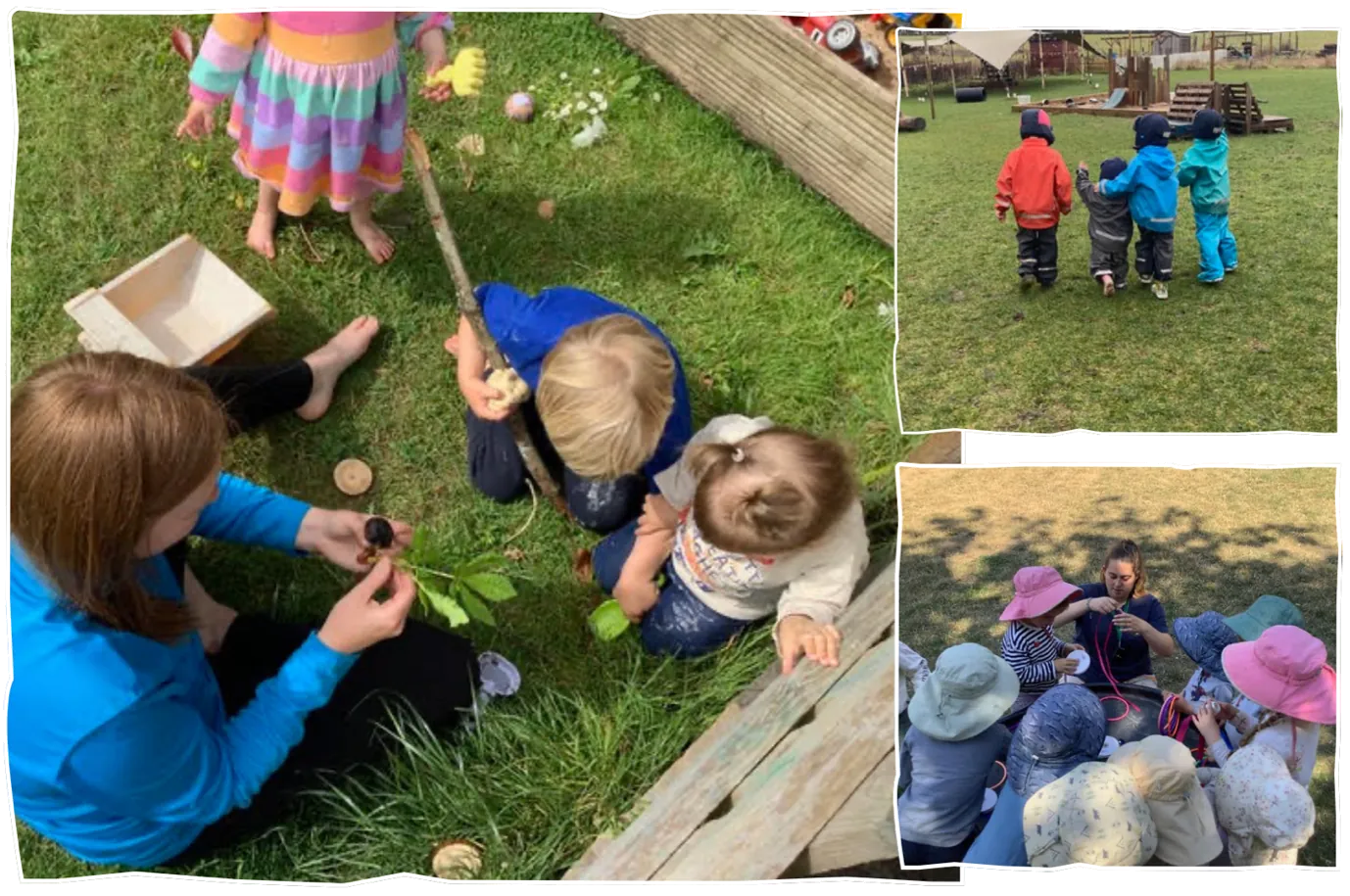
Claire describes the curriculum as the rhythm of the day: children learn through child-led curiosity, with invitations (a phrase used over activities) set out by nurturers to spark exploration.
When it comes to tuff tray ideas, the motto is simple: it should take less time to set up than it takes the children to pull it apart.
Children build an extensive vocabulary through hands-on, lived experience, with nurturers popping in when a misconception needs addressing or learning needs a further push.
‘Staff instinctively know when to step in to support children’s learning further and when to stand back and observe, allowing the children to develop their own curiosity and wonder.’
Ofsted May 2026
Routines
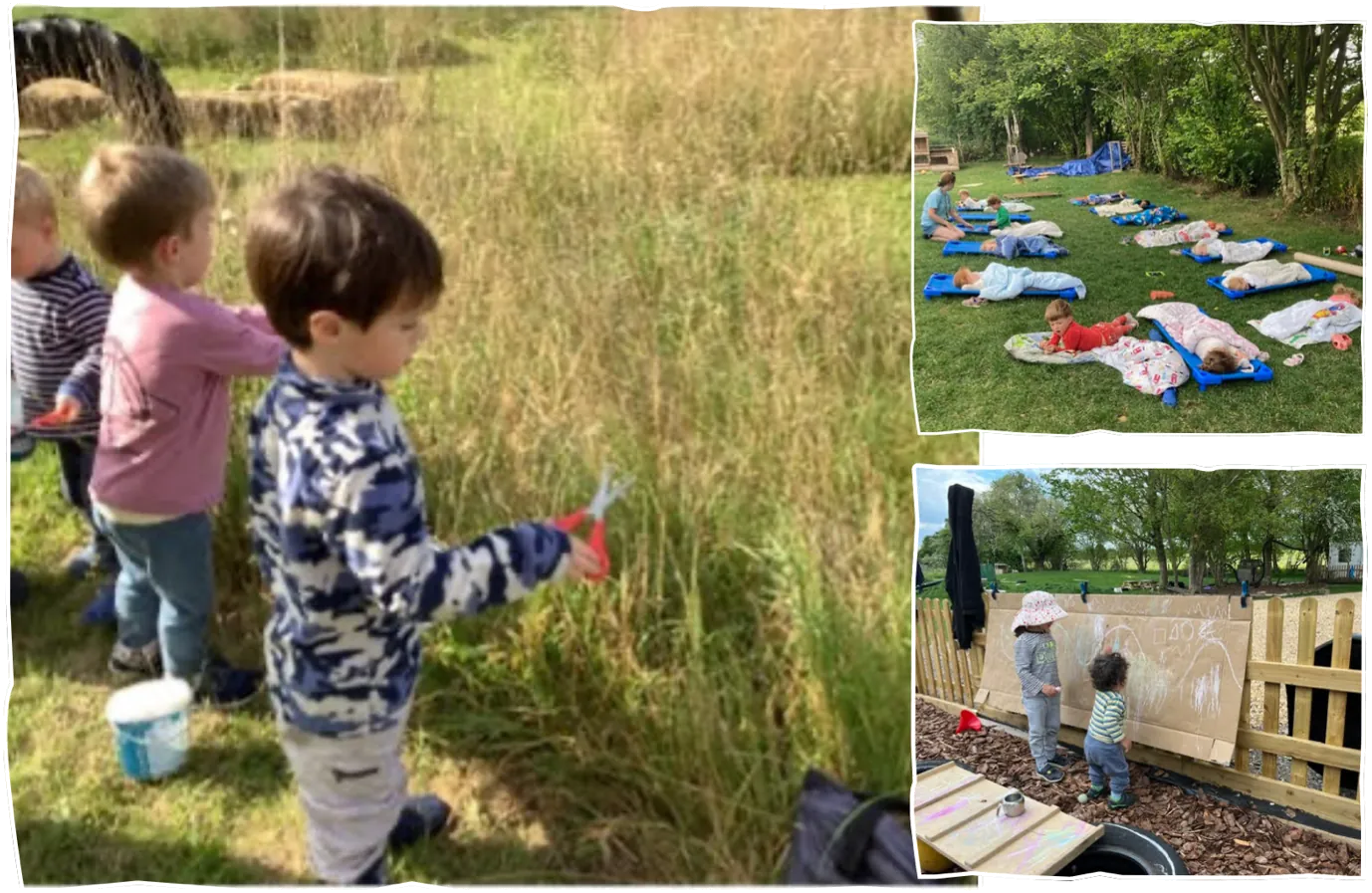
Children know the setting’s routines well, helped along by that extended settling-in period with their parent. Most of their day is spent outside, learning through purposefully planned moments of exploration.
Routines mould around the learning, not the other way round. If the children are deep in concentration, their snack is brought to them rather than breaking their focus.
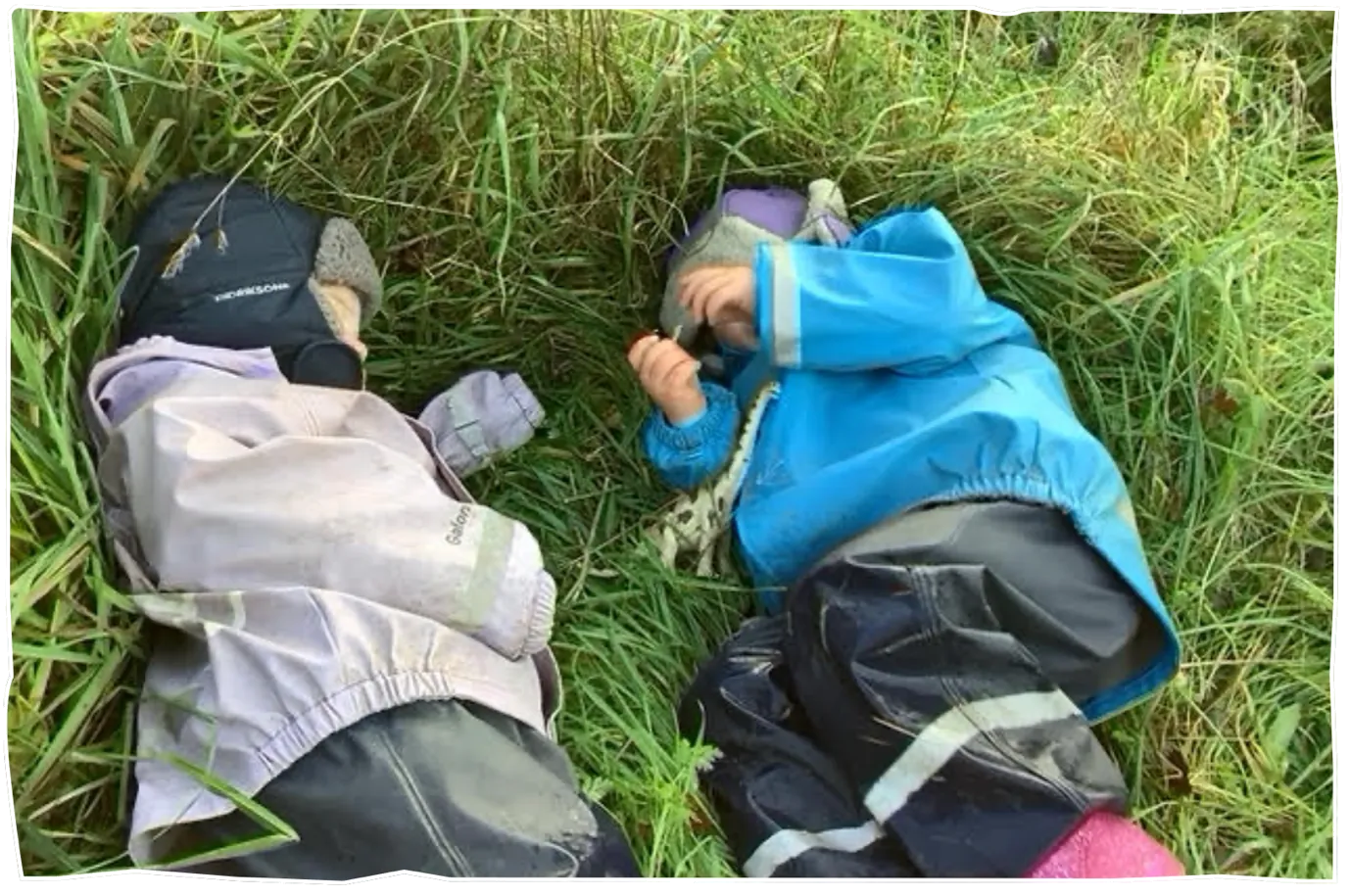
The younger children know their sleeping routines well too, as noticed by their inspector, who highlighted:
‘Children understand when it is time for sleep and gather their comforters. They head across the field to their beds laid out under the canopy. Children independently remove their shoes and snuggle up under their covers and fall asleep listening to the sounds of the birds.’
Ofsted May 2026
Achievement
All seven areas of learning and development are woven into active learning. Children understand their own needs and show empathy to others, modelled expertly by nurturers, leaving them confident to move onto their next learning stage.
‘The qualified staff weave mathematical language and new vocabulary into every opportunity, from snack time to story time. Questioning techniques are consistently thought-provoking.
Reception teachers of the schools children transition to comment on how the children have developed strong characteristics of effective learning and a high level of mathematical understanding.
They also share that the children have positive ‘can-do’ attitudes towards phonics and problem-solving skills.’
Ofsted May 2026
6. Child development
Communication and language
Because the setting is so hands-on, children are chatting about what they’ve found almost all day long. That steady stream of evaluation and exploration means their vocabulary and language comprehension develop quickly.
PSED and self-advocacy
As family members are grouped together across mixed ages, the developmental range within any one learning group is broad. Older children help younger ones with physical tasks and with emotional regulation too, consolidating their own learning in the process.
The nurturing that underpins the setting lets children feel safe and, as their company motto says, treasured. The intergenerational approach runs deep, too, with Claire’s parents regular visitors, helping children with baking and tending to the vegetable patch and plants.
School-ready
The concept of school readiness almost clashes with the holistic approach to learning at The Pheasant Nest. That’s only because the notion of school readiness is often paired with time pressure to ensure that all children are ready to join primary school and transition to tabletop activities.
But the true concept of being school-ready centres around 5 key areas (we call them the 5 S’s):
- Secure to be solo
- Set up for the day
- Skills to remove barriers
- Social development
- Self-driven progress
The children who transition from The Pheasant Nest are well prepared for the next steps in their learning journey. Secure across all of the 5 S’s and equipped with everything they need to tackle Key Stage 1.
‘Children have the essential age and stage appropriate knowledge and skills for their future success. They are incredibly well prepared for the next stage in their education.’
Ofsted May 2026
Applying the insights to your nursery
Claire and James recognise there’s a difference between building a culture of learning from scratch and inheriting an established one. Your nursery will have its own location, community needs, and staff skill set, so the way to apply what you’ve read here is to make it fit your own inclusion journey.
Here are some next steps to help make your setting inclusive by design.
What and why
Get clear on the needs you’re meeting: the bigger national picture of SEND, and the community and individual barriers to learning and wellbeing your children face.
Once you know what you’re trying to change and why it’s needed, the steps that follow become obvious.
Who
Your people are your most important asset to your nursery business. Without enthusiastic, highly skilled practitioners, your vision for what inclusion will look like in your setting can’t be brought to life.
Audit your team’s unique skill set, and embed a culture of continual learning that finds ways to upskill them where it’ll have the most impact.
How
Inclusive practice isn’t seen in the end output, where a child’s learning barrier is removed and their full participation is achieved. It’s the whole process behind it, and it happens when you have inclusive practice designed to fit your nursery’s needs.
A good starting point is to use our 3 C’s of effective inclusive practice to see if your setting has:
- Consistency of approach and understanding
- Curiosity for the unmet need
- Consideration when deciding how best to support
When
Becoming an inclusive nursery involves small but mighty changes alongside bigger cultural shifts over time. How quickly you can embed it effectively depends on where you’re starting from.
Build your network with settings in a similar position to you, and those further along their inclusion journey. Pinpoint the friction points eating up your time and attention, and look at how to streamline them.
How Ovivio helps to save nursery managers’ time
True inclusive practice doesn’t happen just because of a piece of software. No platform replaces the relationships, curiosity and judgement your team brings every day.
What the right system can do is protect the time that good practice depends on.
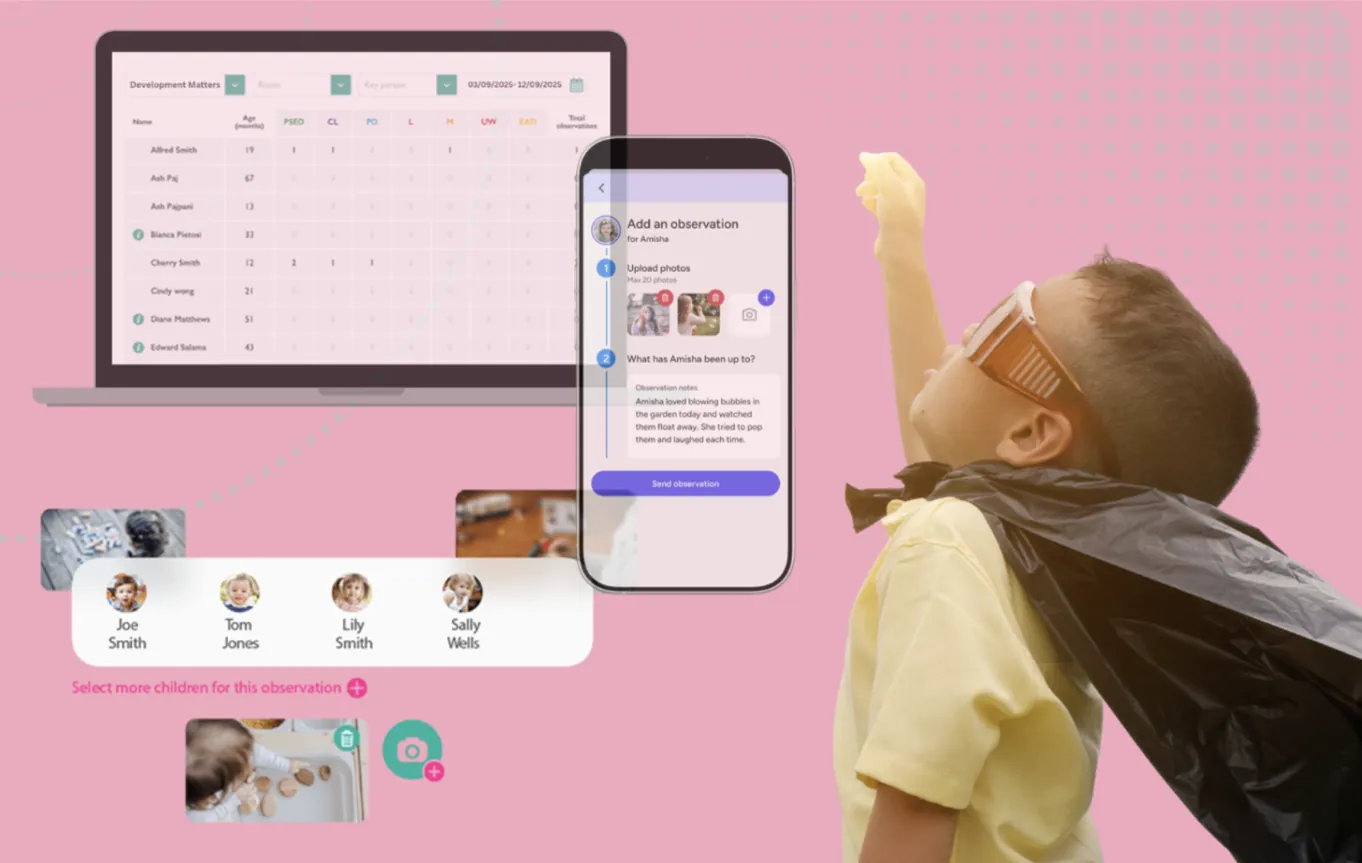
Ovivio’s Child Profile keeps the detail every team member needs, from allergies to a child’s current interests, in one secure place.
Cohort Tracking gives you a live view of how children are progressing against their starting points, so a gap in understanding or knowledge can be highlighted and addressed quickly.
Children’s Diaries gives parents a window into their child’s day, sharing important milestones we call Golden Moments.
Ovivio Pathways, built specifically for SEND, helps you track the graduated approach without a separate paper system running alongside everything else.
Home Observations lets parents add what they’re seeing at home directly, so the picture of learning and development extends beyond their time at nursery, whilst improving relationships with parents.
Used well, these features free up the time your team would otherwise spend on admin, so more of it goes back to the children.
Learn more about the ever-growing features that make up Ovivio.
Brush up on your Ofsted inclusion knowledge:
- Preparing your practitioners for your nursery Ofsted inspection
- 23 key Ofsted questions you may be asked
- Ofsted early years inspection toolkit 2025: a summary
- Ofsted documents checklist for nurseries 2026
- Preparing for the Ofsted planning call
- 8 Ofsted inspection activities to expect
- What to expect before and during your nursery inspection
- The 3 I’s in early years 2026
- 32 Ofsted safeguarding questions and answers for early years
- How does Ofsted inspect safeguarding in early years?
- EYFS Ofsted evaluation area curriculum and teaching explained
Sign up to our newsletter for more great content like this!